Get the Excitement Rush in the Aviator Game
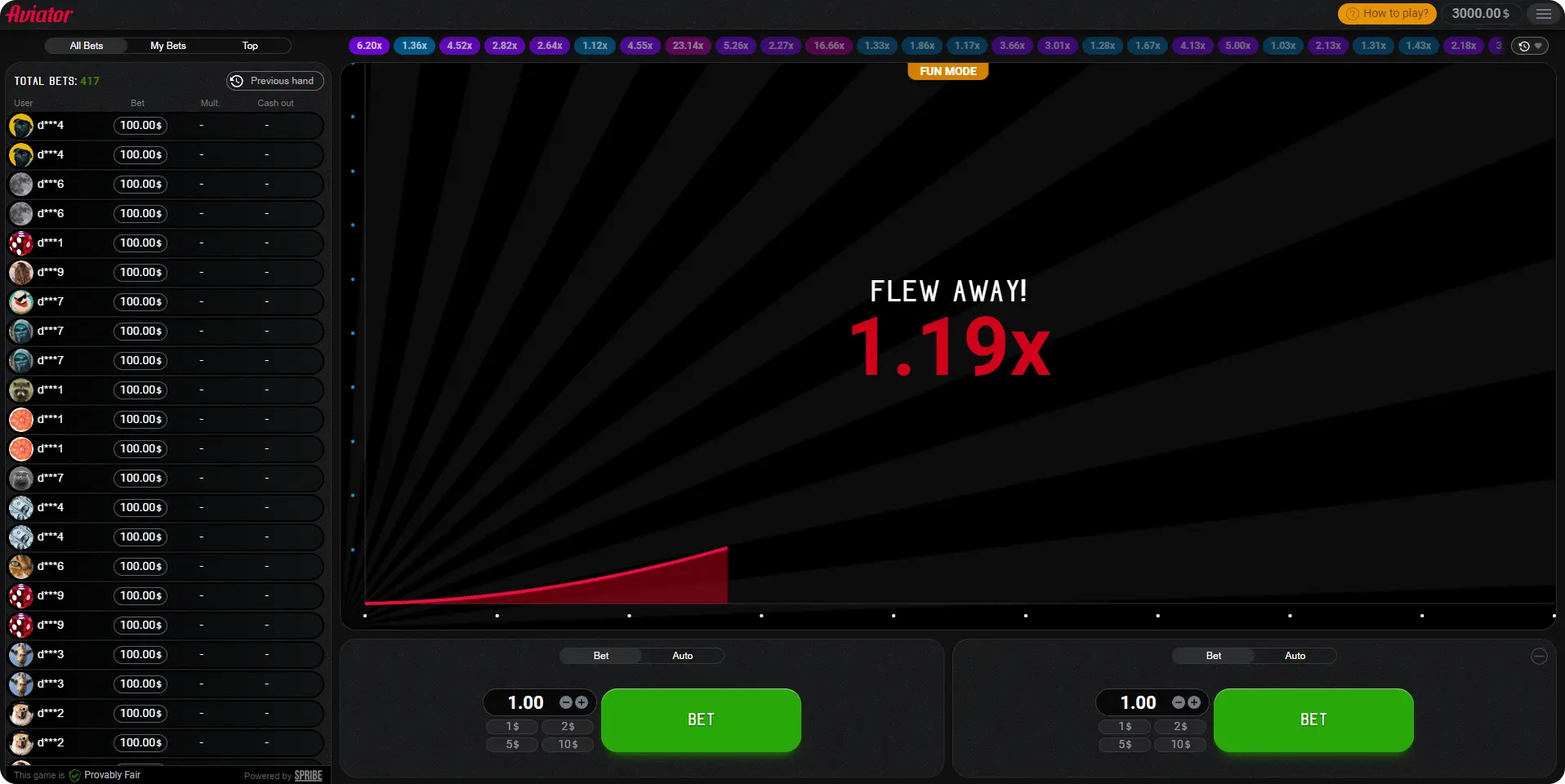
After devoting a lot of time with online games, I keep coming back to the Aviator because it does one thing flawlessly https://flytakeair.com/aviator/. It ignores complicated rules and hones in on the raw feeling of risk. You aren’t competing against the house or other players; you’re in a race against a number that could vanish without warning. This setup produces a specific kind of pressure, a direct shot of adrenaline that is the whole point of playing. What I’ve learned is that the game’s genius is in this simplicity. It takes a basic idea and transforms it into a powerful emotional ride. Every round narrates its own short story about greed, timing, and nerve. You can detect the tension in the air, which makes the game as engaging to watch as it is to play.
The Fundamental Mechanics: How the Aviator Game Operates
Getting the hang of the Aviator game is simple. Getting comfortable with the tension it produces is the true challenge. Each round commences with a plane, shown as a line on a graph, starting to climb. A multiplier starts at 1.00 and increases as the plane gets higher. Your main responsibility is to click the ‘Cash Out’ button before the plane randomly flies off the screen. Withdraw at a 2.00 multiplier, and you get twice your money. Withdraw at 5.00, you get five times your bet. But if the plane disappears before you act, you give up that stake. There’s no skill involved in predicting when it will depart—it’s totally random. So the whole game becomes a psychological battle with yourself. You’re always juggling the chance for a greater payout against the immediate risk of losing it all. It’s a genuine, focused form of gambling excitement.
The Mental Science of the Adrenaline Spike
That jolt you get playing Aviator is no fluke. It’s meticulously woven into the design. The instant climbing multiplier acts as a strong visual and mental cue. Watching your possible winnings rise every second plays directly into our ingrained response to growing gains. The random crash creates another level, putting you in a state of high awareness and anticipation. The game is a master at employing the «near-miss» impact and the fear of missing out, or FOMO. Noticing the multiplier crash just after you cashed out gives you a surge of relieved joy. Bursting a split-second before you click creates a pang of disappointment. This loop of anticipating, deciding, and seeing the result drenches your mind with dopamine and cortisol, mixing up a intoxicating cocktail of adrenaline that lures players back for one more go.
Main Elements That Characterize the Gameplay
Some key factors combine to form the distinctive feel of Aviator. The primary is its bare-bones interface, which eliminates all clutter and focuses you entirely on the increasing number and the cash-out button. Then is the community evidence: most variants show a real-time log of what other participants are wagering and withdrawing. This is not merely for display. It straightforwardly shapes your actions. Seeing someone else withdraw at a large multiplier may entice you to stay longer, while a sequence of premature crashes could lead you to bail out too quickly. Lastly, the game’s speed is everything. Games are finished swiftly, sometimes in just instants. This permits quick plays and keeps the overall experience moving at a frantic rate. These features blend to form a streamlined, communal, and extremely rapid type of gambling that has turned into its trademark.
Graphic and Audio Cues
The appearance and audio of Aviator serve a understated but essential role. The climbing graph line, usually combined with a increasing tone or pitch, creates anticipation you can practically physically sense. The second of a failure or a profitable withdrawal arrives with a particular sound—a satisfying ‘cha-ching’ or a sudden, intense silence. These triggers go beyond decorating the screen. They train your responses and lure you more into the action. They turn conceptual figures into a rich sensory experience, rendering a victory feel more solid and a defeat more shocking.
The Social Multi-user Element
Aviator differs from traditional slot machines because it regularly puts you in a virtual space with dozens of other users. You view their bets and their cash-out moves as they occur. This transforms a private pursuit into a communal occasion. You could experience a bond with the users who cashed out beside you, or a twinge of jealousy toward someone who bet it all and achieved a 10x multiplier. This extra interactive dimension adds a competitive and comparative element that I feel seriously amplifies the psychological involvement.
Creating a Personal Gaming Plan
Aviator is a luck-based game, but a practical approach can assist you in managing your money and possibly play for longer. I don’t view any tactic as a way to make a guaranteed profit. Instead, I see it as a structure for maintaining disciplined play. The most important rule is to decide on a loss celling and a win target before you sign in, and then stick to them no matter what. The game progresses so quickly it can cloud your judgment. Next, consider your bet amount. Using a modest, consistent fraction of your total bankroll for each round can safeguard you from a bad streak wiping you out. Some players try a «one-and-done» or «increase-bet» approach after wins or losses, but I’ve observed these approaches accelerate losses just as fast as they can boost wins.
- Establish Absolute Limits: Choose the most you’re willing to lose and a profit goal that will prompt you to quit. Exit the game when you hit either one.
- Use a Fixed Bet Size: Bet the same small amount every round. This keeps you from making greater, emotional bets after a loss, which is chasing losses.
- Practice with Practice Mode: Virtually all sites provide a free-to-play option. Invest time there to become acquainted with the game’s flow without risking real cash.
Understanding the Influence of Randomness

You have to get this into your head: the Aviator game runs on a Random Number Generator, or RNG. Every round’s result is independent and impossible to foresee. The plane might crash at 1.10 or it might keep going past 100x. There is no pattern, no «due» crash, and no secret algorithm based on past rounds. This is the single most crucial idea to understand. Buying into «hot streaks» or «cold tables» is a trick of the mind called the gambler’s fallacy. The game’s design, especially that live feed of bets, can make you see patterns that aren’t there. Recognizing the total randomness is the bedrock of playing responsibly. It reminds you that every cash-out choice is about your own comfort with risk, not a clever prediction of what comes next.
What to Look for in a Quality Aviator Platform

Choosing where you play is important just as much as how you play. A solid platform provides fairness, security, and a decent experience. My first check is always for official licensing. A site carrying a license from a tough regulator like the Malta Gaming Authority or the UK Gambling Commission gets audited regularly, which proves the RNG is honest. Second, look for the game’s published Return to Player, or RTP, percentage. Aviator often has a high theoretical RTP, often around 97%, but this can vary depending on the provider. Third, judge the user experience. You need seamless performance, a clear cash-out button, and an accurate record of your game history. Finally, review the payment options and how fast they process withdrawals. A dependable site will give you multiple secure methods and won’t delay when you want to take your money out.
Common Misconceptions and Traps
A few persistent and hazardous myths follow games like Aviator. The largest one is the notion that a clever strategy can «beat» the game. No betting system can overcome the built-in house edge set by the random crash point. Martingale systems, where you increase your bet after a loss, are extremely dangerous and can lead to huge losses very quickly. Another trap is misjudging the social feed. Just because a few players cash out at high multipliers doesn’t make a higher multiplier more likely next time. Each round is independent. Also, the adrenaline rush itself can become a concern, pushing you to chase losses or ignore the limits you set when you were thinking clearly. I tell players to be wary of these psychological traps.
The importance of Responsible Gaming
Since Aviator is so fast-paced and fast, a responsible mindset is essential. The same adrenaline surge that creates excitement can also cause reckless, damaging choices. I can’t stress enough how critical it is to define clear time and money limits before playing. Employ the responsible gaming tools that reputable sites provide, like deposit restrictions, loss caps, playtime reminders, and the option to self-exclude. Consider the game as a paid experience, not a source of income. The price of your session is the money you’re okay with losing. Should you notice yourself trying to recover losses or staying longer than intended, that’s a clear warning sign to take a break. The objective should be to savor the rush, not to be overwhelmed by it.
Pitting Aviator to Traditional Casino Games
Aviator marks a clear move from conventional casino games. It does not require the expertise or game knowledge of blackjack or poker. Unlike roulette, you do not make your choice before the spin; you act while the action is genuinely happening. And unlike slots, the payoff isn’t instant; you face an ongoing, time-pressured call to make during the round. This engaging element while the round unfolds is what transforms everything. Also, the communal visibility—seeing what everyone else is doing—is uncommon in classic games. To me, Aviator pertains to a fresh group of «crash» games. It delivers a simpler, quicker, and more open sort of excitement compared the more formal, paced tempo of traditional table games, even though the risk is every bit as real.
- Choice Timing: In standard games, you decide before the outcome. In Aviator, you choose while it unfolds.
- Ability Factor: Poker involves skill. Aviator is purely about handling your own mindset under pressure.
- Group Layer: Aviator reveals you what other players are doing, which affects your play in real time. Most classic games keep this private.
- Rhythm: Aviator rounds take seconds, packing far more betting events into an hour than traditional games.
About Author
